Walk past the order desk of almost any shop we visit and you'll see the same thing. A PDF open on one screen, the system open on the other, and someone reading from the left and typing into the right. Part number. Quantity. Price. Ship date. Next line.
Why do shops still type orders by hand?
Because orders arrive as PDFs and emails, and the system only takes them typed in.
Every customer sends a purchase order their own way. Different layouts, different part numbers for the same part, notes in the margin. The person at the order desk translates all of it into the shop's own terms. It works. It just never stops.
What does it cost?
Mostly time, from the people a shop can least spare.
The person typing orders is rarely new. They know which customer always orders in fives, which account needs a certificate with every shipment, and what "same as last time" means. That knowledge is exactly why they're good at the desk, and exactly why it hurts that most of their day goes to typing.
I don't have an honest industry‑wide number for this, and I'd rather not borrow one. What I can tell you is what one partner measured.
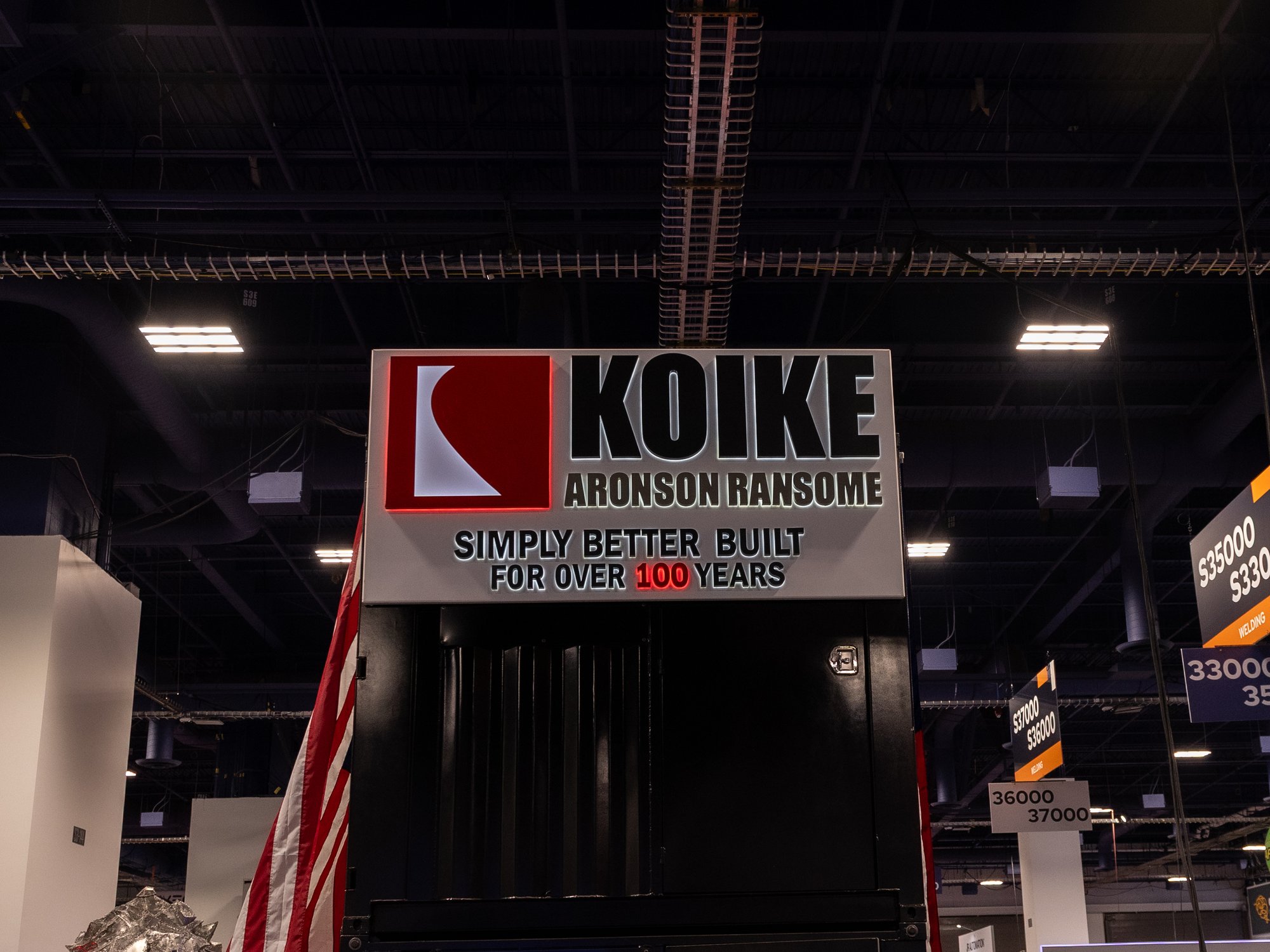
At Koike Aronson, two people spent their days entering orders. Once the Order Entry agent took on the typing, about 500 orders a month came off the order desk's keyboard, and Koike moved one of them to higher‑value work.
Source: Koike Aronson's own order records.
What about mistakes?
A typed order can carry a typo all the way to the shipping dock.
One wrong digit in a part number or a quantity can mean the wrong parts made, or the right parts late. The order desk catches most of these, because they're careful. But a long day of typing wears on anyone.
What does the cost look like from the customer's side?
Slower confirmations, and slower answers.
When the order desk is behind, acknowledgments go out later, and the customer who calls to ask "did you get my PO?" waits while someone searches the inbox. None of this shows on a balance sheet. All of it shows in how it feels to buy from you.
What changes when the typing goes away?
The order desk keeps the orders and loses the keyboard work.
An Order Entry agent reads each PO, enters the sales order, and drafts the acknowledgment, in the system the shop already runs. The team checks it. They spend their time on the orders that need a person: the odd request, the change, the customer who wants to talk.
Nick at Koike put it in a way I keep coming back to: the goal was never to displace anyone. It was to take on the work no one wants. Nobody got into manufacturing to retype orders.
How do you find your own number?
Count one normal week.
How many POs came in, how long the typical one took, and how many needed a fix later. That's your cost, in your terms, and it's a better number than anyone else's.