Ask an owner who runs the office and you'll often hear one name. Sometimes two. Those people quote, enter orders, answer "where's my part?", chase invoices and keep the schedule in their heads. Owners say it with pride, and with worry.
Why is the office stretched so thin?
Because the work grew and the systems didn't help carry it.
The floor got new machines over the years. The office mostly got more email. Orders arrive as PDFs. Quotes start from prints. The system takes everything typed in by hand. Each piece is small. Together they fill the day of the people who know the business best.
Is the answer to hire more people?
Sometimes. But the hard part is rarely the typing; it's the knowledge.
The person who quotes knows how the shop prices. The person on the order desk knows every customer's quirks. When owners talk about losing one of them, they don't talk about headcount. They talk about what walks out the door. A new hire can be trained on the system. The judgment takes years.
What does the strain look like day to day?
Work that waits for one person.
Quotes wait until the estimator is off the floor. Orders wait until the desk catches up. A customer's question waits until someone can look it up. Nothing breaks. Everything is a little late, every day, and the same few people feel it.
What is really slowing the office down?
The systems, not the people.
Systems are slow, disconnected, and make errors. The people working around them are doing a hard job well. Most of what slows them down is moving information from one place to another by hand.
What does real help look like?
Taking the repetitive part of each job off their desk, and leaving them the part that needs them.
That's what we build: one agent for one job, built on the shop's own history and with its own team. A Quoting agent drafts the quote; the estimator makes the call. An Order Entry agent enters the sales order; the order desk checks it. The people stay. The typing goes.
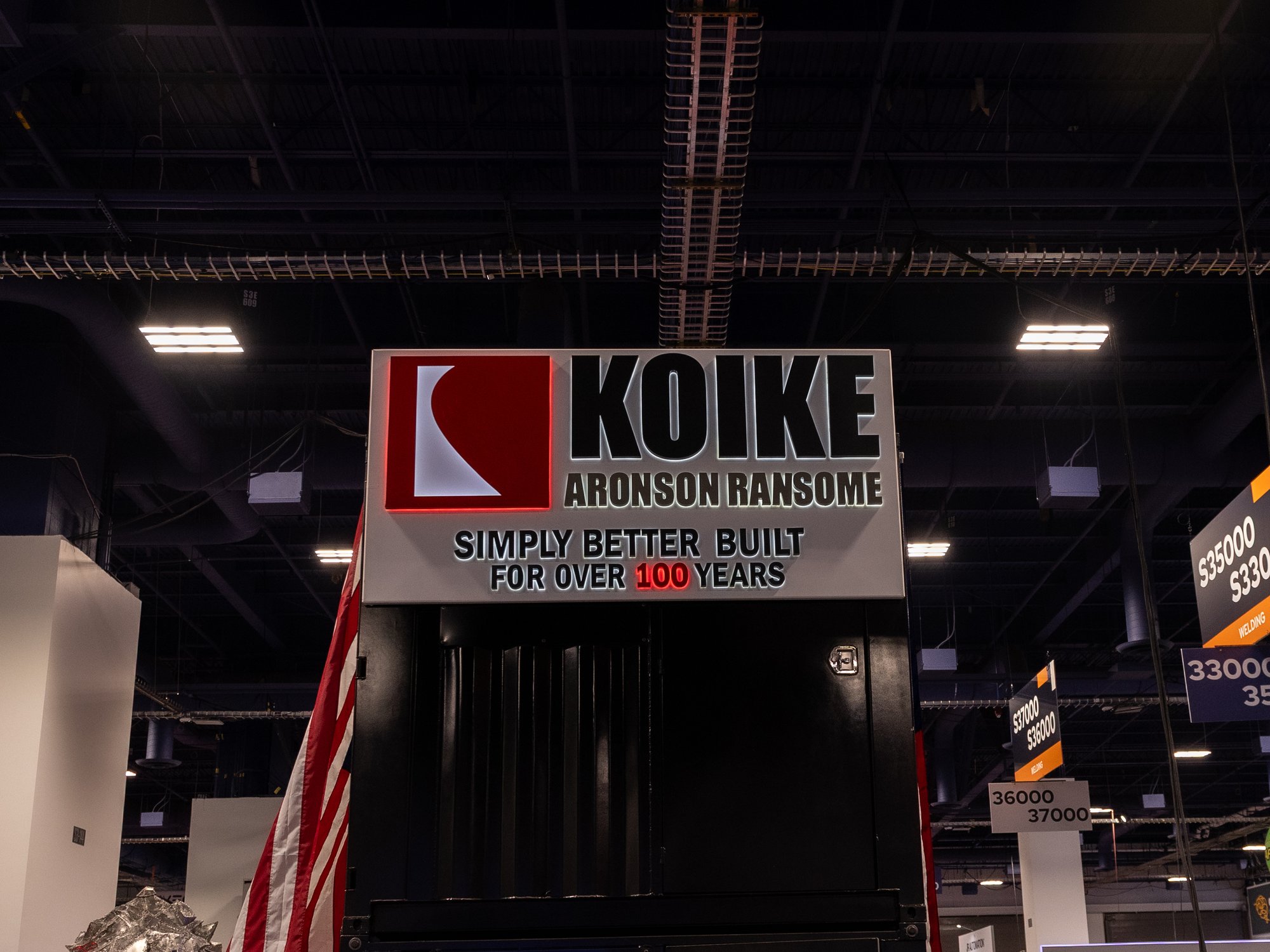
At Koike Aronson, once the Order Entry agent took on the typing, about 500 orders a month came off the order desk's keyboard, and Koike moved one of its team to higher‑value work.
Source: Koike Aronson's own order records.
Where should an owner start?
With the person who wears the most hats.
Sit with them for a day. Write down what takes their time. Circle what only they can do. Everything else is a candidate for help.